

Gilded Age Deep Dive: Seaside Splendour in British Coastal Resorts
Sun, sea, and sunkissed heiresses.

When the London Season ended, and the city’s ballrooms fell silent, Britain’s elite fled the capital for cooler, salt-kissed air and sun-soaked diversions by the sea.
Among them were the Gilded Age’s most glittering heiresses, both British and American, seeking respite from the social rat race, tactical marriages, and suffocating scrutiny of High Society—not to mention the stench of London in summertime.
Join us as we cast a sun-dappled eye over the coastal destinations that drew these colourful characters and learn about the fascinating stories behind these historic towns.

The Draw of Britain’s Seaside Towns
By the mid-19th century, seaside towns like Brighton, Torquay, Scarborough, and Eastbourne had transformed from humble fishing villages to fashionable playgrounds for the aristocracy.
Filled to bursting point with opulent hotels, grand estates and large-capacity spaces for balls, picnics and sporting events, these resorts drew the most affluent with promises of frivolity—and, of course, the chance to network.
Beyond that, however, people believed the seaside offered a myriad of health and social-boosting benefits:
Health beliefs: Sea air and saltwater bathing were declared remedies for everything from melancholy and ‘nervous conditions’ to tuberculosis. Resort towns built bathing machines, promenades, and spa facilities to capitalise on the belief that salt air and cold dips could restore both complexion and constitution.
Social visibility: The seaside became a stage for courtship and society intrigue. Here, the elite could maintain their social standing outside the rigid confines of London. It offered a chance to observe and be observed on promenades and at regattas, with fewer chaperones and a looser social schedule.
Fashionable privacy: Scandal and heartbreak felt quietly soothed along the balmy south coast or the wild drama of Cornwall’s coves. A hastily broken engagement or ill-fated flirtation in the capital could be quietly erased at the seaside under the guise of a ‘health retreat’, which was becoming increasingly popular.
Transatlantic tourism: For American heiresses seeking to both dazzle and decompress, these resorts offered a taste of England’s romanticised landscape alongside elite company. They could mingle, marry, and manoeuvre for position while enjoying the novelty of grand old hotels and Afternoon Tea beside the sea.
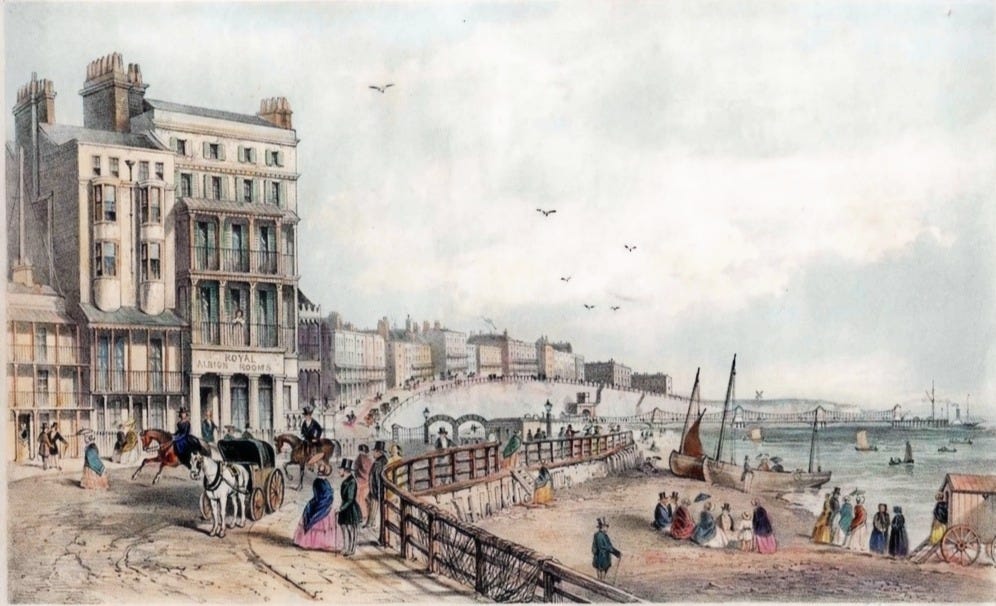

Brighton: The Original Playground
By the late 19th century, Brighton had cemented its status as one of Britain’s premier seaside resorts, famous for its unique blend of regal history and coastal charm.
Its transformation began in the mid-18th century, when Dr Richard Russell championed the health benefits of sea bathing and sea air, drawing visitors seeking therapeutic respite from urban life.
At the heart of Brighton’s allure was the Royal Pavilion, an exotic, Indo-Saracenic palace built for the Prince Regent (later King George IV) between 1787 and 1822.
The Pavilion dazzled visitors with its domes, minarets, and opulent Chinoiserie interiors, capturing the flamboyant tastes of its royal owner, who reportedly favoured it above all his residences.
After Queen Victoria sold the Pavilion to the town in 1850, it became a public attraction, hosting concerts, exhibitions, and social events.
Brighton’s lively seafront was another draw. The Royal Suspension Chain Pier, opened in 1823, offered visitors panoramic views of the English Channel and served as a landing stage for packet boats.
Though destroyed by a storm in 1896, it remained an iconic symbol of Brighton’s seaside appeal.
The town’s mixture of healthful retreats, architectural marvels, and vibrant social scene made it a fashionable destination for leisure, fresh air, and spectacle.
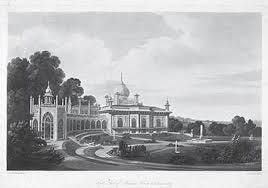

Torquay: England’s Answer to the Riviera
Torquay, nestled along the Devon coast, earned the nickname “the English Riviera” thanks to its mild climate, palm-fringed promenades, and picturesque harbour.
By the Victorian and Edwardian periods, it had become a refined seaside resort favoured by affluent families and naval officers.
Grand hotels like the Imperial and the Osborne lined the waterfront, offering well-heeled guests elegant accommodation and commanding views of Tor Bay.
The harbourside bustled with fashionably dressed visitors strolling along the promenades, while the sheltered bay provided safe anchorage for yachts and pleasure craft.
The town’s combination of natural beauty and genteel entertainments—including garden parties, classical concerts, and boat excursions—secured its reputation as a sophisticated coastal retreat.
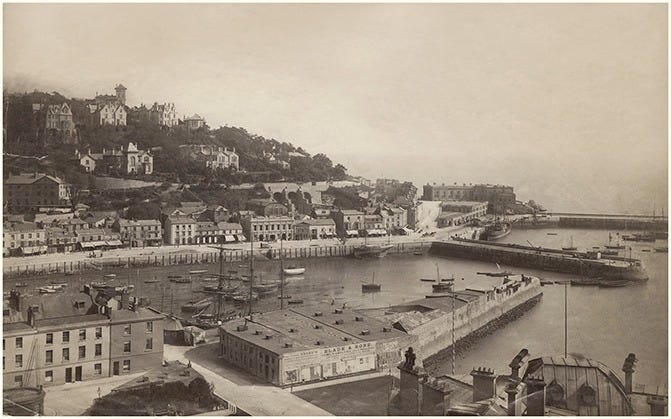

Scarborough: The Coastal Darling of North Yorkshire
Scarborough was one of the earliest seaside resorts in Britain, and its spa waters and twin sandy bays have drawn visitors since the 17th century.
By the late 19th century, it had become a popular destination for the gentry and professional classes of the Midlands and northern counties.
The imposing ruins of Scarborough Castle dominated the headland, while the town’s long esplanades, cliff lifts, and Victorian bathing machines provided all the amenities expected of a fashionable resort.
The Grand Hotel, completed in 1867, became one of Europe’s largest and most luxurious hotels, known for its impressive architecture and lively social calendar, including amateur theatricals, dances, and grand dinners.
Visitors enjoyed bracing sea air, donkey rides along the beach, yacht races in South Bay, and scenic walks to Peasholm Glen.
Scarborough’s combination of natural beauty, spa facilities, and more boisterous social atmosphere set it apart from the more restrained resorts of southern England.

Cornwall & Beyond: The Wild West of Leisure
For those craving dramatic landscapes and a sense of escape, Cornwall’s rugged cliffs, secluded coves, and sweeping beaches offered a wilder alternative to the manicured resorts of the south-east.
Though more remote, Cornwall attracted wealthy visitors drawn to its natural beauty and looser social codes.
Country houses like Tregothnan, Port Eliot, and Prideaux Place hosted intimate house parties, while seaside towns such as St Ives and Newquay welcomed growing numbers of holidaymakers.
St Ives, in particular, developed a thriving artist colony by the late 19th century, where visitors dabbled in watercolours and mingled with painters in casual, bohemian surroundings.
The region’s dramatic coastal paths, popular for walking and sketching, and activities like yacht races, sea bathing, and picnics at picturesque sites such as Bedruthan Steps and Fistral Bay, made Cornwall an appealing retreat for those seeking leisure tinged with adventure.
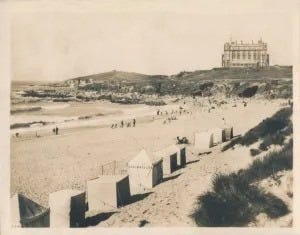
Seaside Legacies
Today, traces of these golden summers linger in faded hotel guest books, rusting bathing machines on forgotten beaches, and crumbling sea walls battered by the salt-laden winds.
Britain’s seaside resorts, once bustling with elegant promenaders and day-trippers in their Sunday best, remain scattered with reminders of their heyday.
The weathered piers and grand Victorian hotels are living relics of a time when a trip to the coast promised health, leisure, and a bracing escape from city life.
Whether 19th-century or 21st-century, these rich histories remind us of the simple pleasure of sea air against a restless tide.
This was probably favorite episode, thank you!
Beautifully written💕