

Anatomy of a Gilded Age Dress
Before fashion could be fabulous, it first had to be practical.


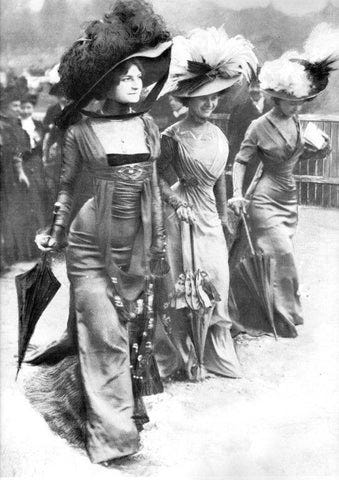
Before a Gilded Age heiress ever descended a marble staircase or glided through Newport ballrooms in a gown worth more than many people earned in a year, she had already been dressed, pinned, laced, padded, buttoned, and, quite possibly, mildly compressed into submission.
To modern eyes, the fashions of the late nineteenth century can appear effortless: elegant silk skirts, corseted waists, and gloves like a second skin for ladies, while men appeared permanently pressed, polished, and suspiciously comfortable in their towering top hats. Yet behind every seemingly effortless Gilded Age ensemble lay extraordinary engineering, social messaging, and sometimes (particularly for the women) outright physical endurance.
Because during the late nineteenth century, clothing was architecture, and from the foundations to the finishing touches, each layer had a part to play.

First Things First: The Chemise
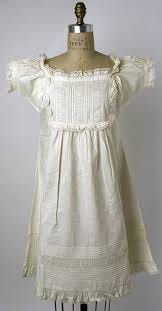
Long before the corset entered the picture, a well-dressed woman of the 1870s or 1880s began with her underlayers. The first was typically a lightweight linen or cotton chemise, worn directly against the skin and designed to protect the more expensive outer garments from perspiration, body oils, and the general indignities of everyday life. Beneath these sat drawers, often open at the crotch for easy bathroom breaks.
It may not sound especially glamorous, but these humble cotton foundations were essential. Laundering fine silk bodices was both expensive and risky, and even the wealthiest households preferred to wash undergarments far more frequently than the garments everyone actually saw.
In other words, before fashion could be fabulous, it first had to be practical… at least somewhere.
