



On a hot day, it is hard to imagine life without the soothing hum of an electric fan (or, for us Americans, an air-conditioning unit). We complain, we reach for an iced drink, we point a fan directly at our faces, and we carry on.
For the wealthy families of the Gilded Age, staying cool was possible. It simply looked rather different.
There were no cool bedrooms at the touch of a button. There was no home air conditioning as we know it. Instead, comfort depended on architecture, staff, ice, fashionable accessories and, when the heat became unbearable, the ability to leave town altogether.
Which, as it happens, is a very luxurious solution to almost any problem.

The Coolest Room in the House
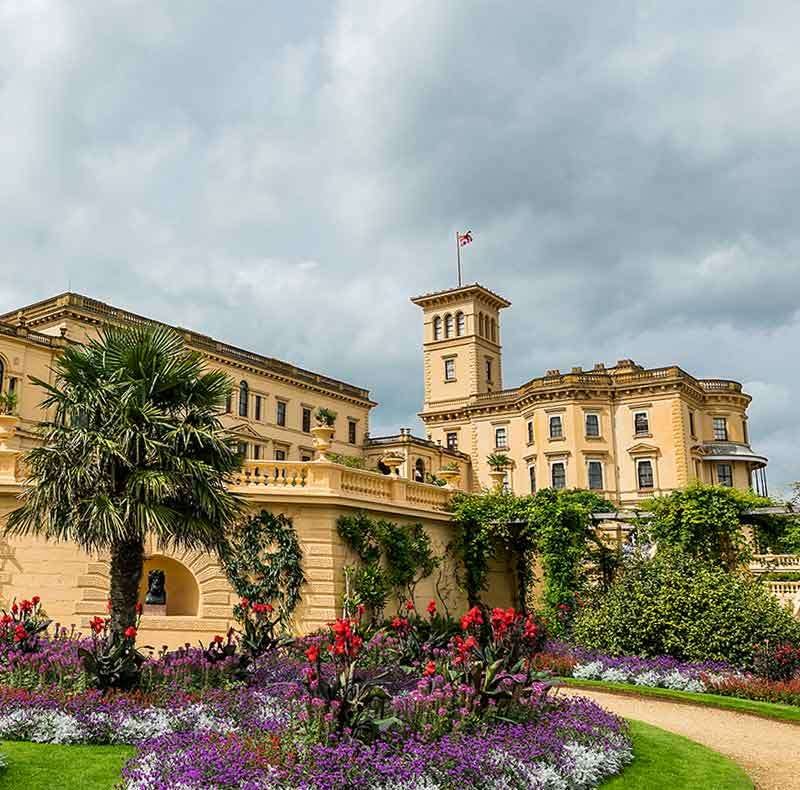
A well-designed house could offer some relief from summer heat.
In Britain and America, thick walls, high ceilings, shutters, awnings and cross-ventilation helped keep interior rooms more comfortable. The grandest homes also had a choice of rooms: one might move to the north side of the house, retreat to a shaded drawing room or take tea on a covered veranda.
At Osborne House on the Isle of Wight, Queen Victoria and Prince Albert created a seaside retreat where the family could escape the pressures of London and Windsor. The location itself was part of the appeal: sea air, terraces, gardens and a private beach. English Heritage’s history of Osborne shows how carefully the estate was designed as a family home away from court life.
Fresh air was considered desirable, even when it made people slightly uncomfortable. Queen Victoria was known for insisting on open doors and windows at Osborne during the winter, to the irritation of her family. English Heritage records that the house also had a sophisticated heating system, a useful reminder that Victorian homes were often technologically more ambitious than we imagine.
In summer, though, the simplest strategy was to seek shade and catch any available breeze.

A Parasol Was Not Just for Looking Pretty
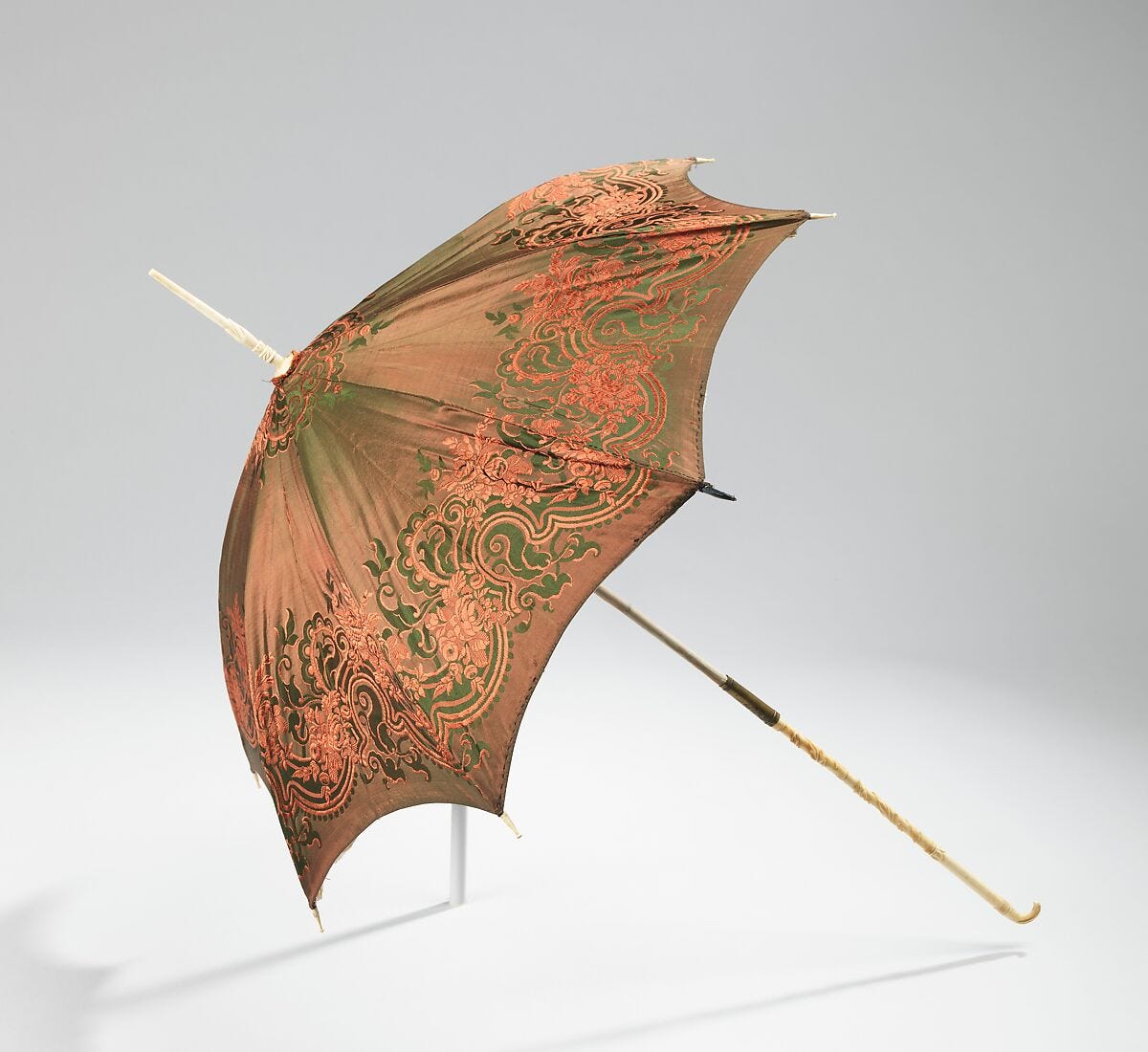
The parasol was one of the great summer accessories.
It protected a woman’s face and shoulders from the sun, helped preserve the pale complexion fashionable among elite women, and added a little extra theatre to an outfit. A lady could shelter beneath silk, lace or embroidered fabric while walking in the garden, sitting in an open carriage or attending a race meeting.
The Metropolitan Museum of Art notes that carriage parasols became popular after Queen Victoria began using them while riding in open carriages in the 1840s. One surviving example is in the Met’s collection.
