

Queen Victoria: The Monarch at the Centre of a Changing World
The Widow, the Queen, and the Empire.


Last month, we met her son.
The charming, sociable, endlessly entertaining Bertie, later Edward VII, who spent much of the Gilded Age collecting friends, admirers, dinner invitations, and occasionally his mother’s disapproval. If Bertie represented the glittering social world that would later define the Edwardian age, then his mother stood for something very different.
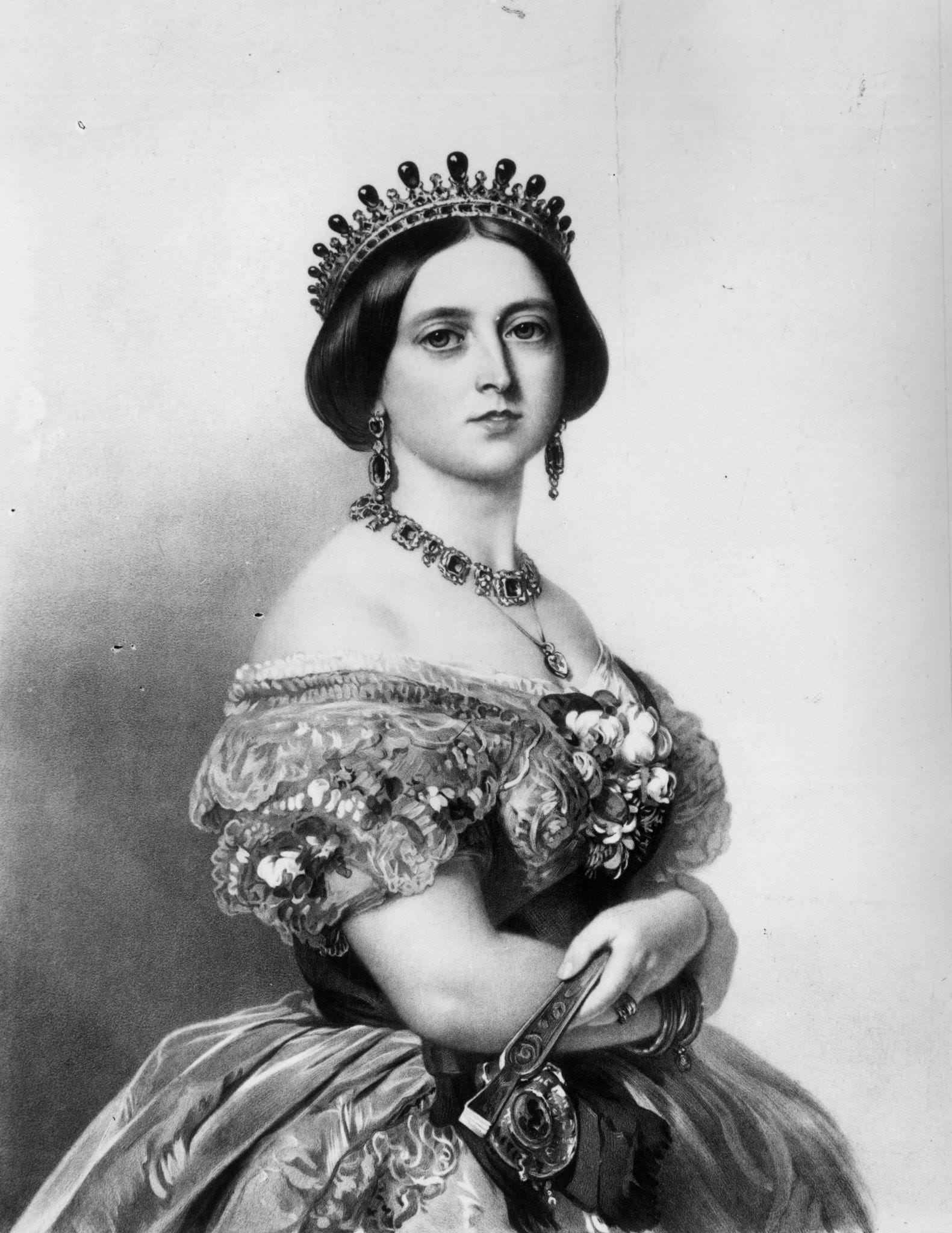
For much of the nineteenth century, Queen Victoria became the embodiment of duty, respectability, family life, and moral seriousness, so much so that an entire era would eventually bear her name.
Yet the woman behind the legend was considerably more complicated than the stern widow who gazes out from countless portraits. During her sixty-three-year reign, Victoria witnessed railways, telegraphs, industrialisation, photography, and the rise of vast fortunes on both sides of the Atlantic. By the time she died in 1901, Britain sat at the centre of a global empire, and Victoria herself had become one of the most recognisable women in the world.

The Little Princess Nobody Expected
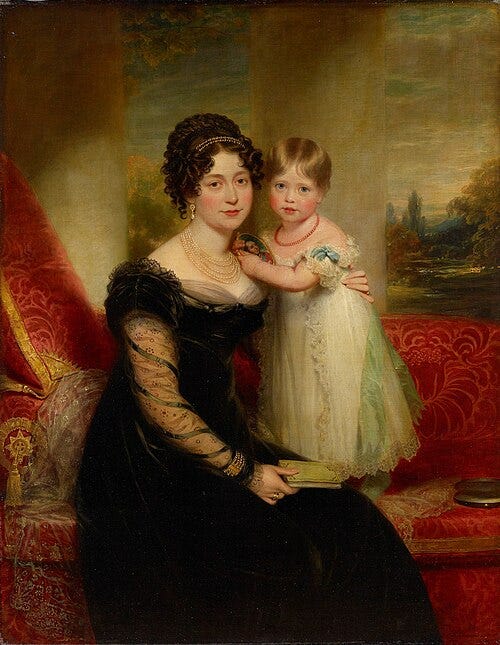
When Victoria was born at Kensington Palace in May 1819, few expected her to become queen. The daughter of Prince Edward, Duke of Kent, she stood behind several relatives in the line of succession and seemed unlikely ever to inherit the throne. A series of deaths and childless marriages changed everything.
