

She Told Hitler She Would Do Everything In Her Power To Stop Him
The extraordinary story of Muriel White — American heiress, Prussian countess, and one of the most courageous women of the Second World War. An interview with author Richard Hutto.


Most of the American heiresses who crossed the Atlantic in the Gilded Age to marry into European aristocracy are remembered, if at all, for their weddings. The diamonds. The titles. The transactional exchange of old money for new blood that defined an era.
Muriel White is remembered for something else entirely.
Born in 1880 — three years after our own Alberta Sturges, three years after Consuelo Vanderbilt — Muriel was the daughter of Henry White, one of the most distinguished American diplomats of his generation: first secretary at the London Embassy for eight years, then Ambassador to Italy, then Ambassador to France. She grew up between Paris and London, spoke six languages fluently, moved in the highest circles of European society, and had been engaged several times — including, briefly, to Austin Chamberlain — before she married, at the age of twenty-nine, a Prussian count named Hermann Seherr-Thoss and moved to his estate in Silesia, now Poland.
What followed was one of the most remarkable stories of the entire dollar princess era. I sat down with Richard Hutto, author of The Countess and the Nazis, to find out more.
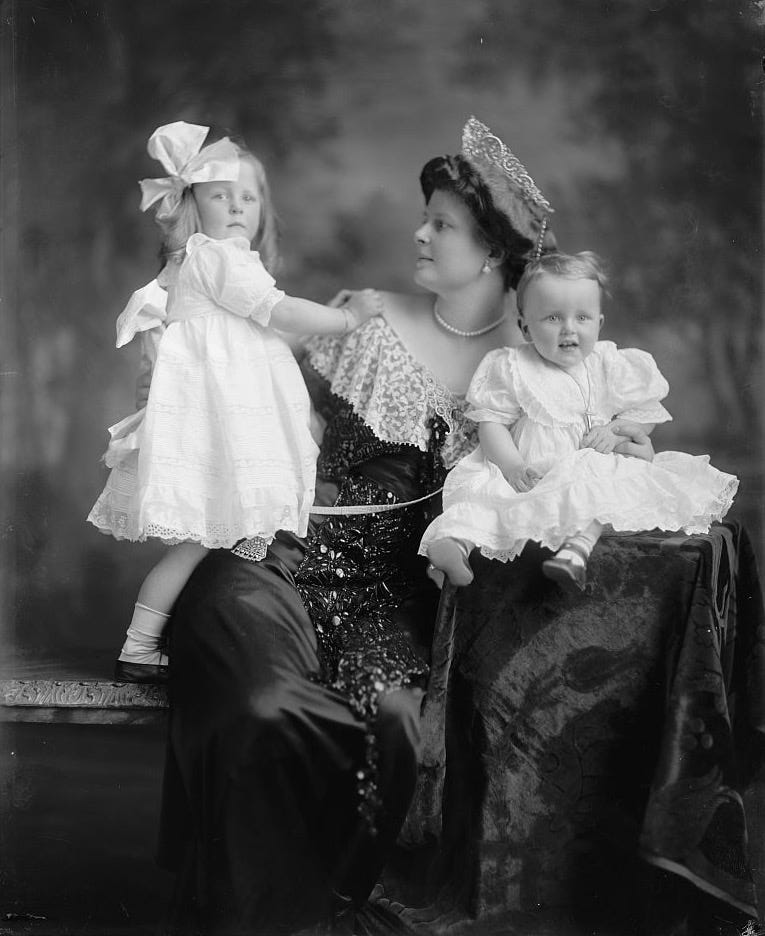

The Man Behind the Book
Richard Hutto came to the subject, as so many good historians do, through a personal connection. In 1977, as a young appointment secretary in the Carter White House, he was sent to London for the Silver Jubilee celebrations for Queen Elizabeth II — and became, he says, a committed Anglophile on the spot. Years later, when he met his wife and learned that her great-aunt had been “married off at sixteen to the Earl of Craven and basically told she had nothing to say about it,” the question that had been forming in the back of his mind crystallised into something urgent.
“I understand the wives,” he told me. “You and I both call them pushy mamas — I understand that. But why were the husbands willing to write twenty-million-dollar checks to go abroad?” That question — what the aristocracy was getting out of the bargain — has driven his research ever since.
His new book, The Gilded Finale: The Bradley Martin Ball and the End of the Gilded Age, is out in January and promises to be essential reading for anyone fascinated by this world: the Bradley Martin Ball was given by his wife’s own great-great-grandparents, and the book contains original photographs that have never previously been published. But it is The Countess and the Nazis — March 2025 — that stopped me in my tracks.
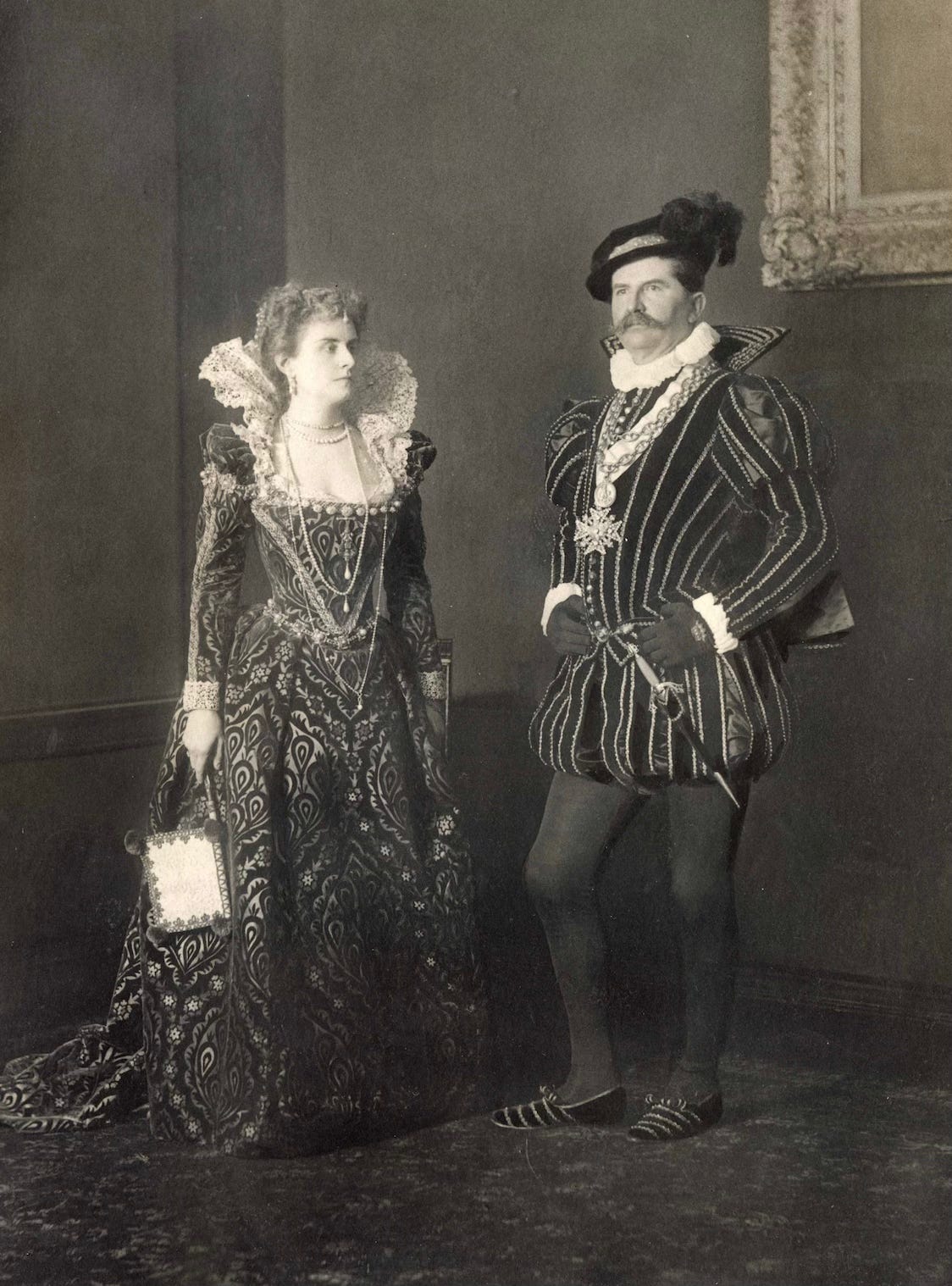

The American Heiress Who Faced Down Hitler
Muriel White’s marriage to Count Seherr-Thoss was not arranged — it was, in its way, a love match. The Count had followed her to Berlin for some court functions, fallen in love with her, and three weeks later arrived at her door to ask for her hand. Her parents only found out she was engaged when they read it in the newspaper, because they were away.
