



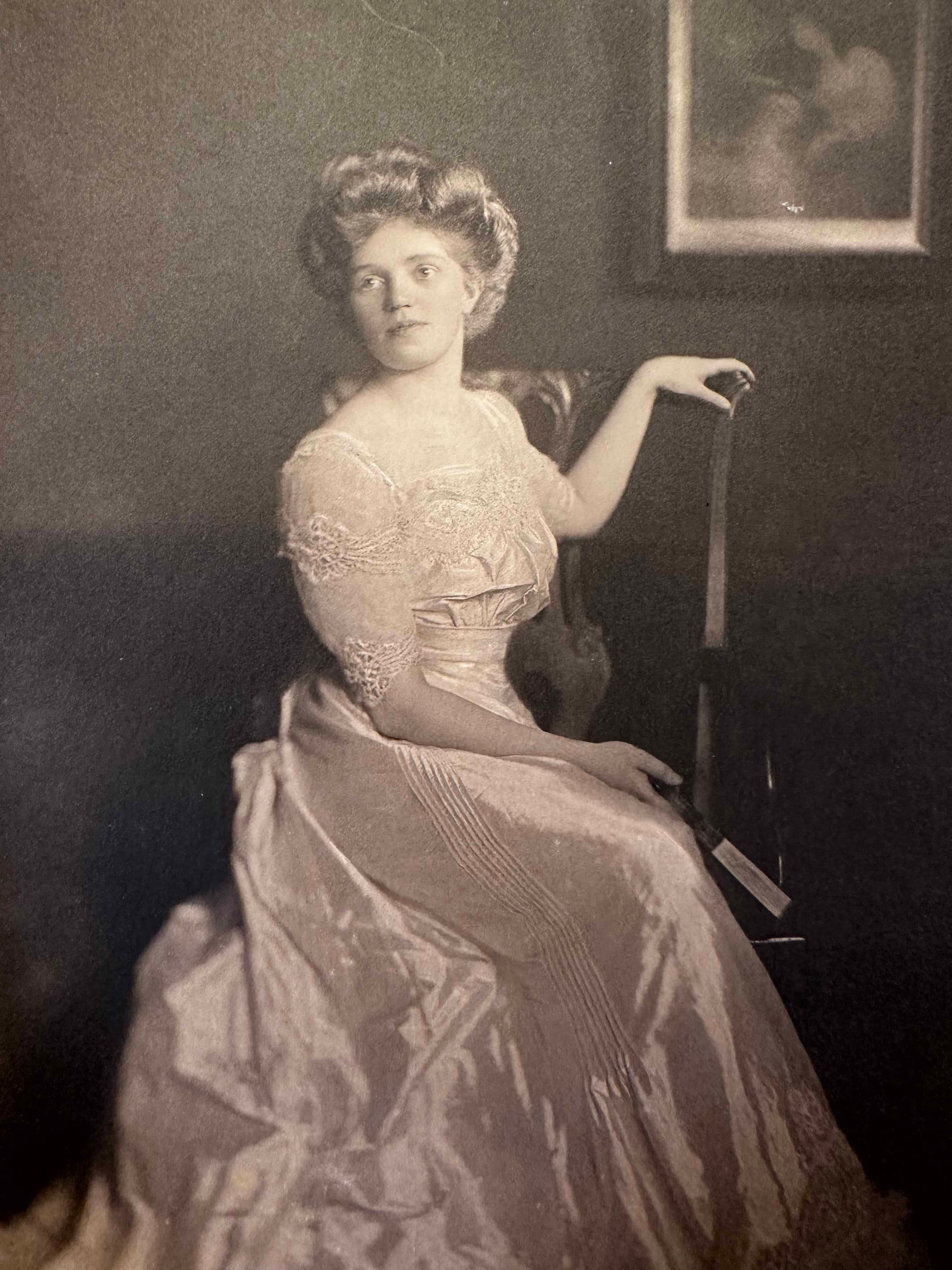
Three weeks before she became a countess-in-waiting, Alberta Sturges sat down at her desk at 12 Bruton Street, Berkeley Square, and wrote a hurried note to a nun in Calcutta.
Consider what else she might have been doing on the 3rd of July, 1905. London was at the very height of the Season. The trousseau had to be ordered, the gifts acknowledged, the breakfast arranged, the bridesmaids fitted, the hundred small negotiations of a fashionable wedding carried through. Alberta was American money marrying an English earldom, the most legible transaction the Edwardian drawing room knew how to read, and the social machinery around such a match was relentless. There were a thousand people she was expected to write to that week.
Instead she found a few minutes, apologised for having only a few minutes, and gave them to Margot.
I haven’t time for more than just a word, but in my new joy, I have been thinking much and often of you.
And then, on the envelope, in her own hand, an address that tells you almost everything about who Alberta Sturges really was:
Miss Margaret E. Noble. Sister Nivedita. 17 Bose Para Lane, Bagh Bazar, Calcutta, India.

The Friend in Calcutta
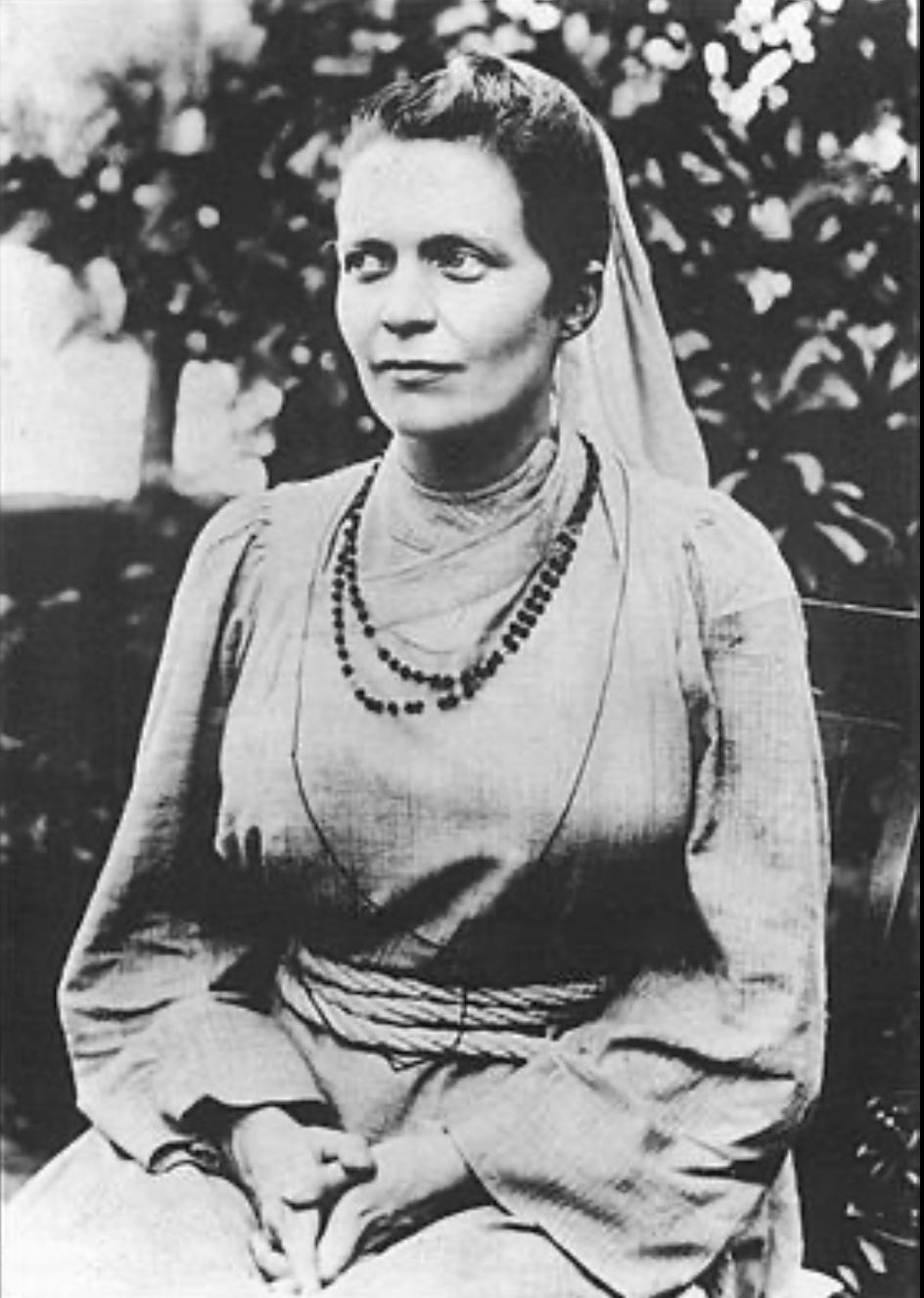
To understand why this letter matters, you have to understand who was going to open it on the other side of the world.
Margaret Elizabeth Noble was born in County Tyrone in 1867, the daughter of an Irish clergyman. She became a schoolteacher in London, clever and restless and hungry for something the conventional life could not give her, and in the autumn of 1895 she went to hear a visiting Hindu monk speak in a West End drawing room. The monk was Swami Vivekananda. The encounter rearranged her entire existence.
Three years later she sailed for India. Vivekananda initiated her into the vow of the celibate religious life and gave her a new name, Nivedita, which means “the dedicated one.” She settled in Calcutta, put on the plain dress of a Hindu widow, and in November 1898 opened a school for girls in the Bagbazar quarter of the city, teaching children whom almost no one else thought worth teaching. By 1905 she was one of the most remarkable Englishwomen alive: an educator, a writer, increasingly a voice in the early stirrings of Indian nationalism. She had given up comfort, country and name for a cause on the far side of the earth.
This was Alberta’s “Margot darling.” Not a debutante. Not a cousin from the Hudson Valley. A barefoot teacher in a Calcutta lane.
They had met through the same circle that shaped everything tender and serious in Alberta’s young life. Both women had sat at the feet of Vivekananda. Both were bound to the same luminous, eccentric, deeply devoted woman they each called by the same pet name, Tantine, the American Josephine MacLeod, who scattered letters across continents and held this whole spiritual family together by sheer force of love. “Tantine will have written you,” Alberta notes, “how happy I am, now soon to be married.” The news travelled along a private wire of seekers and mystics that ran from a London square to a Calcutta school, and Alberta wanted to send her own word down it.
