

The Gilded Age’s Real Life Cinderella Story
A Cuban Cinderella in a Manchester manor

The second instalment of Bridgerton’s sumptuous and spicy season 4 graced our screens last month, and I’ve been bitten by the Regency bug, publishing content across all our platforms inspired by the hit TV show. For our final piece, we’re tackling fairytales.
When Sophie Baek slips into the glitzy masquerade ball, she does so disguised and on borrowed time. By day, she is an exploited servant and the illegitimate daughter of an earl. By night, hidden behind a mask, she captivates the dashing, wealthy, and aristocratic Benedict Bridgerton. For a few enchanted hours, hierarchy dissolves; a prince sees her, and a door opens.
It’s a story we’re all pretty familiar with. But did anything like this ever happen in the Gilded Age? Could a woman on the margins truly ascend into high society? Not as a mistress, dogged by scandal, but as a duchess?
The closest we come is Consuelo Yznaga.
While she was not sweeping hearths or fleeing a cruel stepmother, her life offers something far more interesting than fiction: a real transatlantic transformation that reveals how the nineteenth century manufactured its own Cinderellas (albeit without the iconic glass slipper).

Before the Ball: A Family on the Fringes
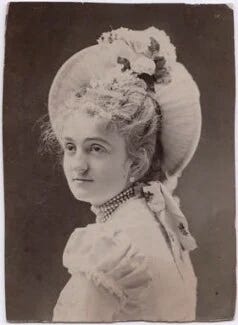
Consuelo Yznaga was born in 1853 in New York City to a Cuban family of Spanish descent. Her father, Fernando Yznaga del Valle, was a landowner and diplomat with strong ties to Cuba, and the family moved comfortably within transatlantic society, dividing their time between New York and Europe. They were well-connected and cosmopolitan, though not part of Britain’s hereditary aristocracy. And in an era completely obsessed with lineage, pedigree, and names heavy with history, that mattered.
And yet, she possessed the one currency that often trumped birth: social magnetism.
Contemporary accounts consistently described her as a striking beauty, poised and eloquent. In her teenage years, she was part of the group known as the Buccaneers, whose lives inspired her friend Edith Wharton’s novel of the same name. Once grown, she moved through Parisian society with ease, which in the 1870s functioned as a kind of glamorous neutral ground between American ambition and British tradition.

The Meeting: A Duke in Need of a Duchess
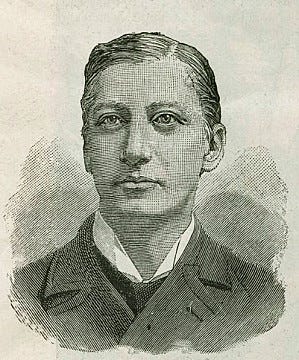
It was in Europe that Consuelo met George Montagu. He was young, aristocratic and, crucially, financially strained. His English estates required money, while Consuelo’s family required acceptance. After a whirlwind romance, in which some sources suggest Consuelo fell head over heels for the charming George, they married in 1876.
