

The Pushy Mama: The Woman Behind the Dollar Princess
From Betty Sturges to Alva Vanderbilt, the ambitious mothers who shaped the Gilded Age marriage market.

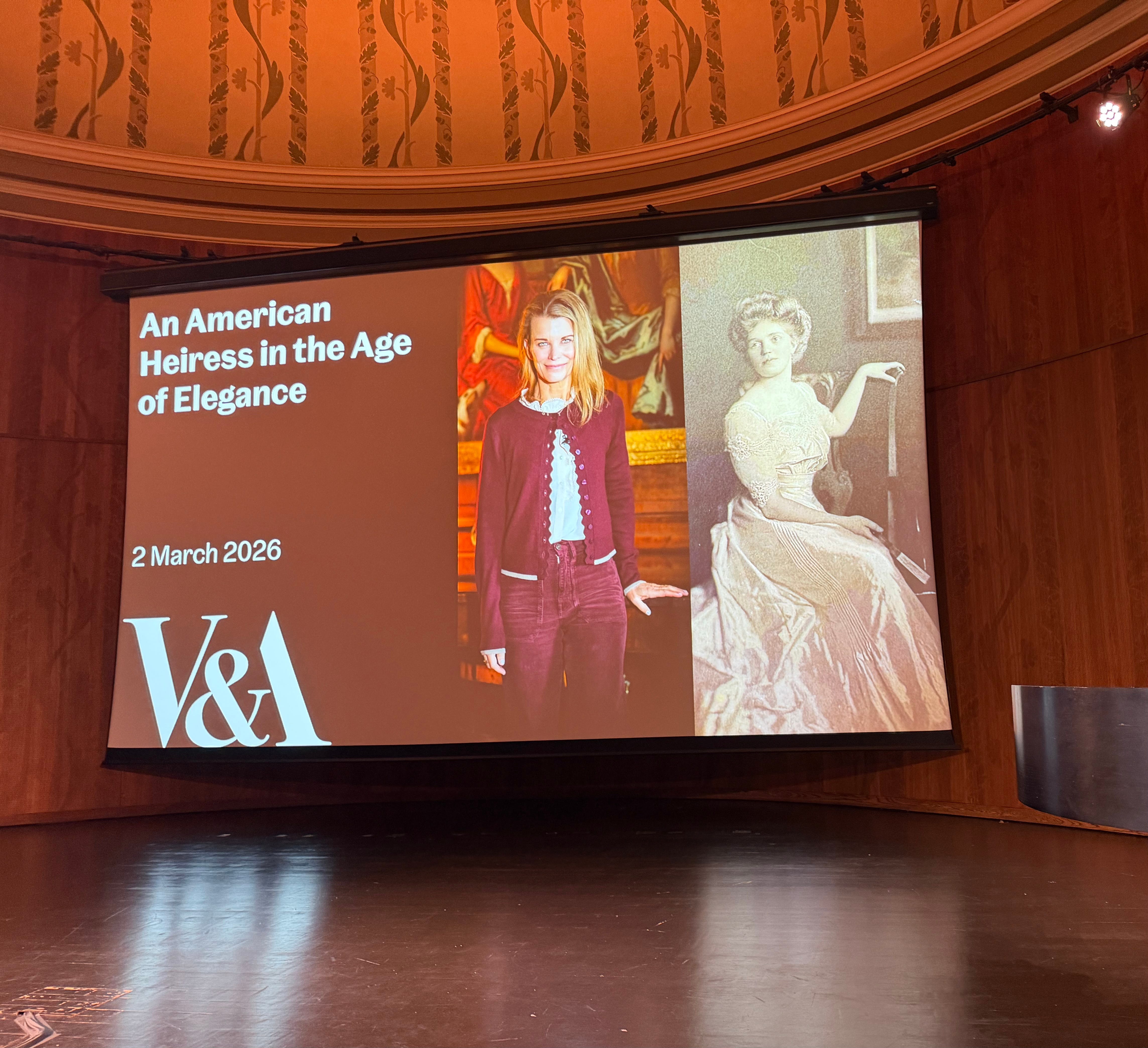
Last week, while standing at the Victoria & Albert Museum delivering my lecture An American Heiress in the Age of Elegance, I found myself returning to one of the most persistent characters in the mythology of the Gilded Age heiress.
.
Not the heiress herself.
Her mother.
Because if there is one figure who appears again and again in the retelling of the so-called “Dollar Princess” phenomenon, it is the formidable American mother hovering just outside the ballroom — the Pushy Mama — the woman determined to propel her daughter across the Atlantic and into the waiting arms of a British title.
In the popular imagination she is almost theatrical: part strategist, part diplomat, part general quietly directing a campaign through London Seasons, country house weekends, and exquisitely timed introductions. She understands dowries, precedence, and the delicate mathematics of social advancement. Above all, she understands that Europe possesses something America does not yet quite have — centuries of lineage and legitimacy.
The character has become so familiar that it almost feels inevitable.
And yet, like most stereotypes, it tells only part of the story.

Betty Sturges and the Allure of Europe
Because Alberta Sturges Montagu — whose extraordinary archive of letters and journals I have been working on for the past several years — did indeed have an ambitious mother.
Her name was Betty MacLeod Sturges, later Betty Leggett, and she adored Europe with the sort of enthusiasm that only an American encountering the Old World for the first time can truly sustain.
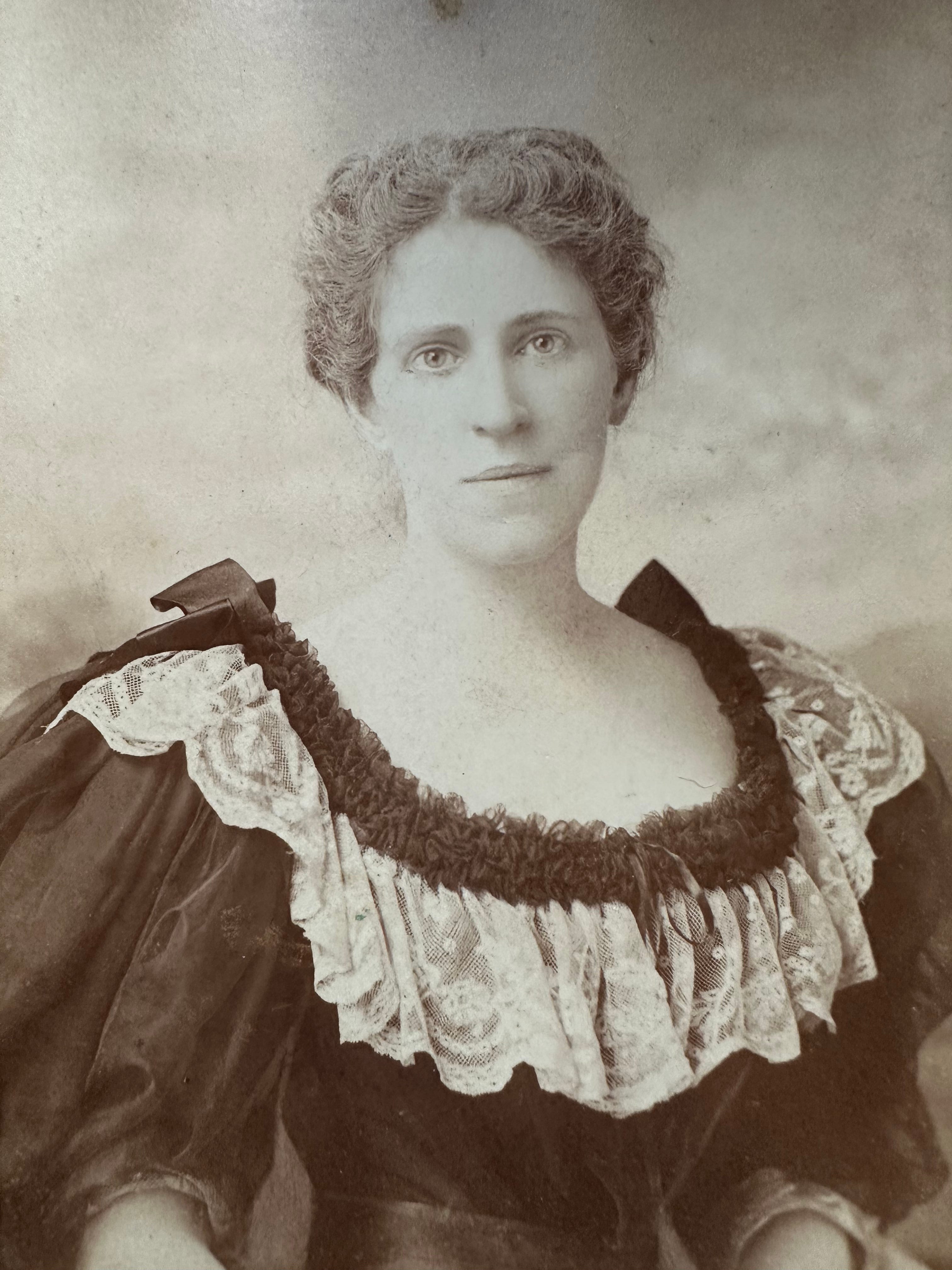
Before marrying Alberta’s father, the Chicago businessman William Sturges, Betty’s own father insisted she undertake a European tour — the sort of cultural pilgrimage that wealthy American families increasingly saw as essential for refinement. The trip was meant to broaden her horizons.
Instead, it permanently shifted them.
Betty returned home completely enchanted by European society. When she married William Sturges, a man nearly thirty years her senior whose fortune derived from Chicago’s booming grain trade, she also secured the means to continue inhabiting that world.
There is a family anecdote that captures her decisiveness rather perfectly. One day at luncheon William turned to her and asked rather casually whether she and the children might sail for Europe the following day so that the house could be let.
“Of course,” Betty replied.
They left the next day.
The journey was meant to last six weeks.
They stayed for six years.
