

Gilded Age Deep Dive: Edith Wharton and The World of The Buccaneers
Insider. Observer. Critic… Dog lover.

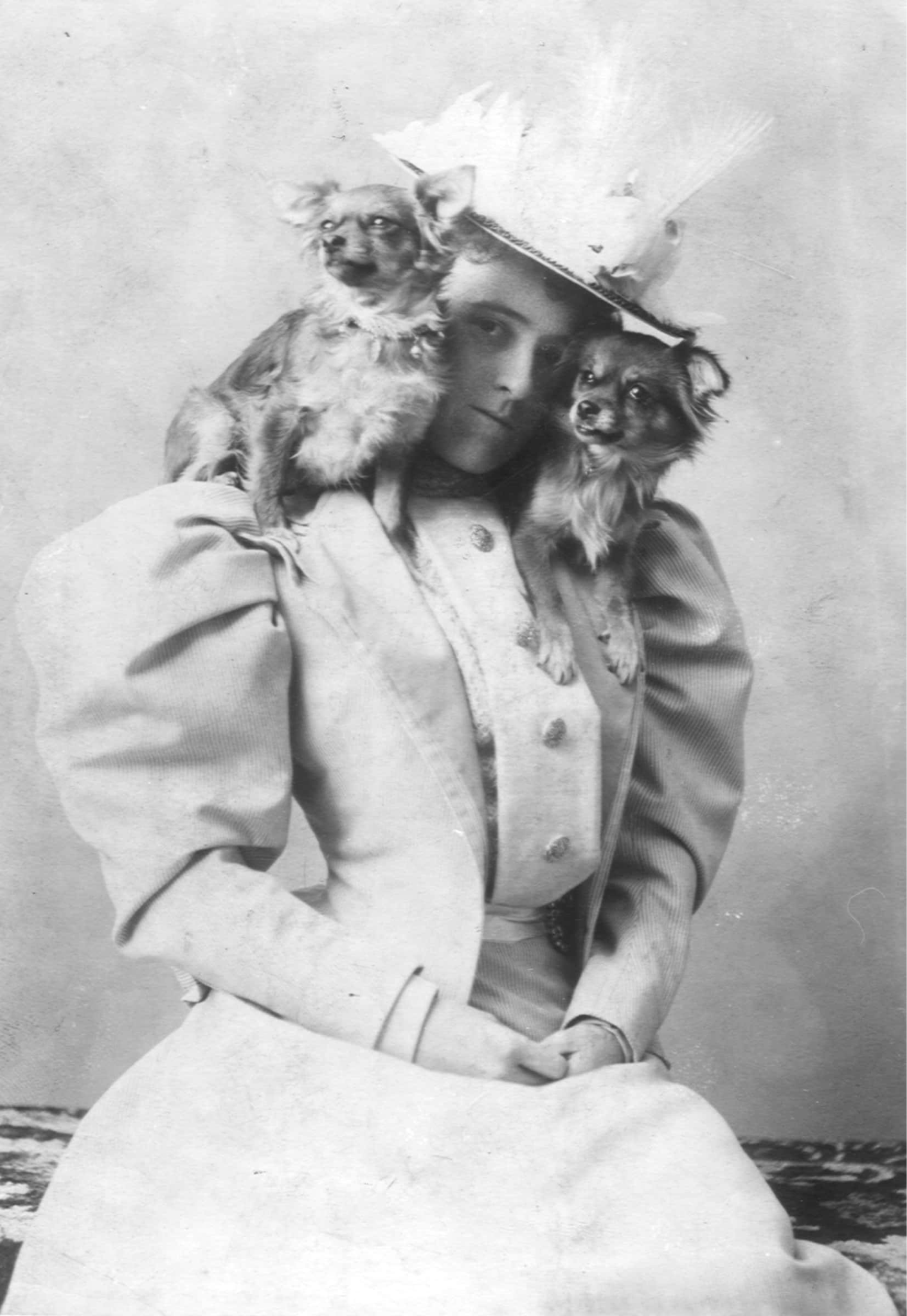
Last month’s article on Consuelo Yznaga, the real-life Cinderella story of the Gilded Age, inspired me to pick up Edith Wharton’s The Buccaneers (readers may remember that Wharton’s character Conchita Closson was said to be inspired by Consuelo, with whom she was close). It’s a novel of ambition, loneliness, and desire, and an ode to women constrained by the times and traditions of a bygone era — both those who chose to rebel, and those who accepted their lot, with or without grace.
There is something irresistibly sharp in Wharton’s portrayal of young American women navigating the rigid hierarchies of British aristocracy. So much so that I’ll be publishing content throughout April inspired by this classic tale. But before we meet the charming heiresses themselves, let’s find out more about the woman who brought them to life.
Because Edith Wharton was not merely an observer of this world. She was born into it…

Born into “Old New York”
Edith Wharton was born Edith Newbold Jones in 1862 into one of New York’s most established and socially prominent families. The Joneses belonged to what was often called “Old New York”, a tightly controlled social elite whose wealth predated the industrial fortunes of the late nineteenth century. Their status was not simply financial, but cultural, rooted in lineage, etiquette, and an unspoken understanding of how one ought to behave. It was a world governed by rigid, unbending rules, and for women, they were particularly exacting.
Fun fact: the phrase “keeping up with the Joneses” is said to have been attributed to their family. So you can see the level of wealth and prestige we’re dealing with here…
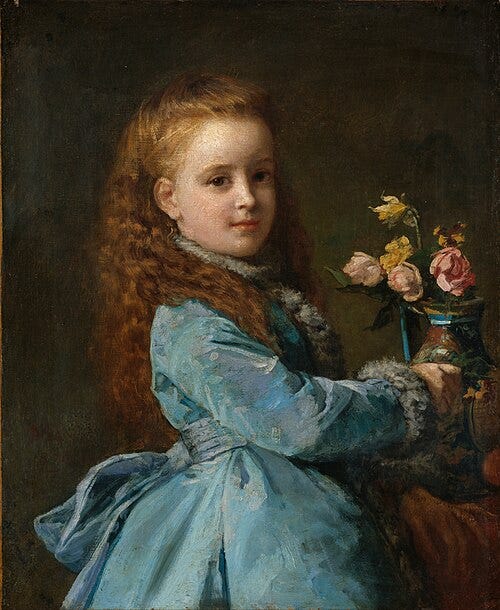
Young ladies of Wharton’s class were expected to marry well, uphold family reputation, deliver heirs (sons preferred, naturally), and move through society with grace and restraint. Intellectual ambition was not encouraged. Independence, even less so.
Yet from an early age, Wharton showed a curiosity for a life outside the one expected of her. She was largely educated at home and developed a deep love of literature, languages, and European culture. While formal academic opportunities for women were limited, she pursued knowledge with quiet determination, reading widely from the non-fiction available in her father’s library (her mother had forbidden her from reading novels until she was married) and thinking critically about the world around her. She is said to have viewed the fashions and etiquette imposed on young women in the pursuit of marriage as superficial and oppressive.
Already, there was a tension forming between the life she was expected to lead and the one she might have chosen for herself.

Marriage and Constraint
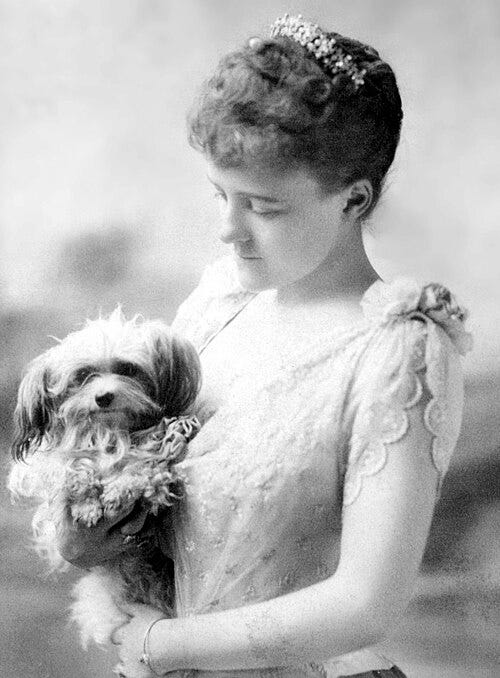
In 1885, at the age of 23, Edith Newbold Jones became Edith Wharton after marrying Edward “Teddy” Robbins Wharton, a Boston banker from a similarly established background who was twelve years her senior. On paper, it was a suitable match. In reality, it proved far more complicated.
Teddy struggled with severe mental health issues, now widely understood by historians to have included depression and possibly bipolar disorder. Wharton herself suffered from bouts of poor mental health, a mix of depression and anxiety coined “nervous exhaustion” by the physicians of the era.
The couple’s union was childless, despite the significant pressure we can assume Wharton was under to start a family (motherhood being considered a woman’s highest calling), and the marriage, though initially stable, became increasingly strained over their 28 years together, particularly as Wharton’s intellectual and creative ambitions grew.
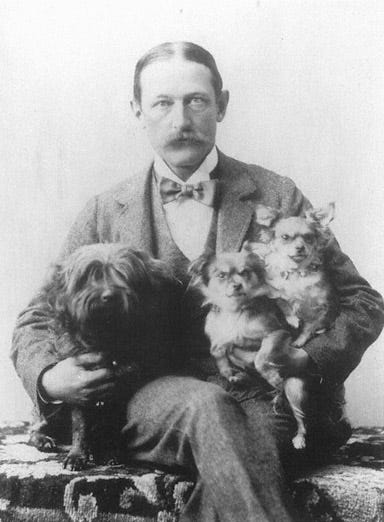

The expectations placed upon her within elite society did little to accommodate those ambitions. Her family and wider social circle failed to encourage her writing dreams, despite some early successes published under pseudonyms in the late 1870s and 80s, while her mother, Lucretia Stevens Rhinelander Jones, was actively critical of them, leading to a push-pull relationship in which Wharton would vie for her mother’s approval for much of her life. Though she continued to write, she would not publish anything more until October 1889, when her poem “The Last Giustiniani” appeared in Scribner’s Magazine.
Marriage, at least for women, was not designed to foster personal fulfilment. It was a structure of stability, respectability, and duty.

Love Beyond the Rules
Around 1907, as their marriage continued to deteriorate, Wharton formed a deeply meaningful and passionate extramarital affair with Morton Fullerton, a journalist and writer based in Paris. Their relationship is documented in surviving letters and has been widely studied by scholars.
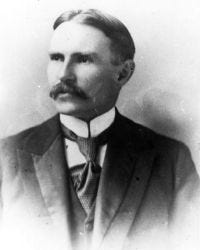
It was, by all accounts, emotionally and intellectually significant, and Fullerton is widely believed to have been the love of Wharton’s life. Despite this, the couple was never “officially” together. She was married throughout the affair, while he had a reputation for non-commitment, leaving a complicated string of past lovers and broken engagements in his wake.
For a woman of Wharton’s standing, such a relationship carried real social risk. Reputation, particularly for women in elite circles, was fragile. Once the affair came to an end, Wharton asked Fullerton to burn her letters for fear of a scandal. He didn’t (go figure), but thankfully, their relationship wasn’t confirmed until the late twentieth century, when their secret messages were released to the public.
Wharton eventually divorced her husband, Teddy, in 1913, after 28 years of marriage.
You can read more about this period of her life, and the other women who found love on their terms, in my article Gilded Age Deep Dive: The Era’s Most Scandalous Forbidden Love Stories. Spoiler: it’s juicy!

Writing as Power and Independence
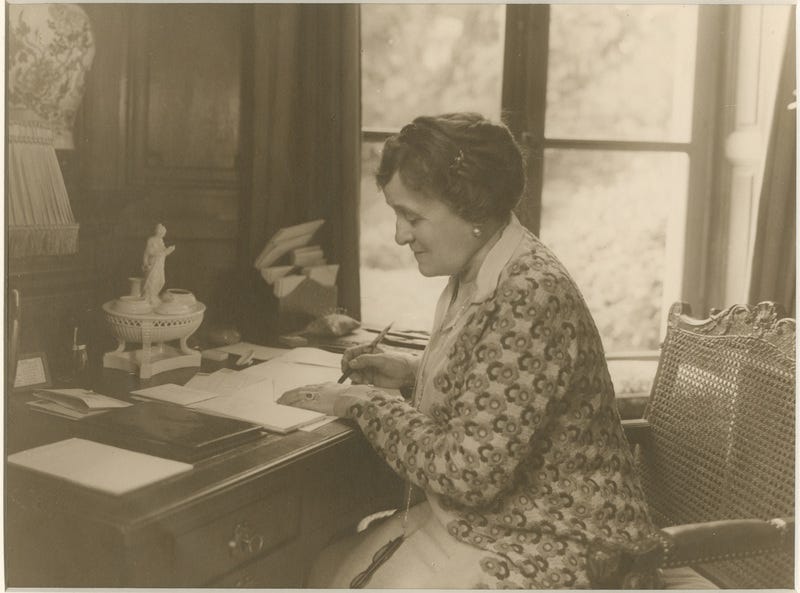
If Wharton’s personal life conspicuously pushed against the boundaries of high society, her writing quietly criticised them.
She began publishing her work consistently from the 1890s — she didn’t release her first major novel until she was 40, shortly after the death of her mother — but it was in the early twentieth century that her literary career really began to flourish. Her novels explored the very world she had been raised in, exposing its contradictions, its quiet cruelties, and its rigid expectations.
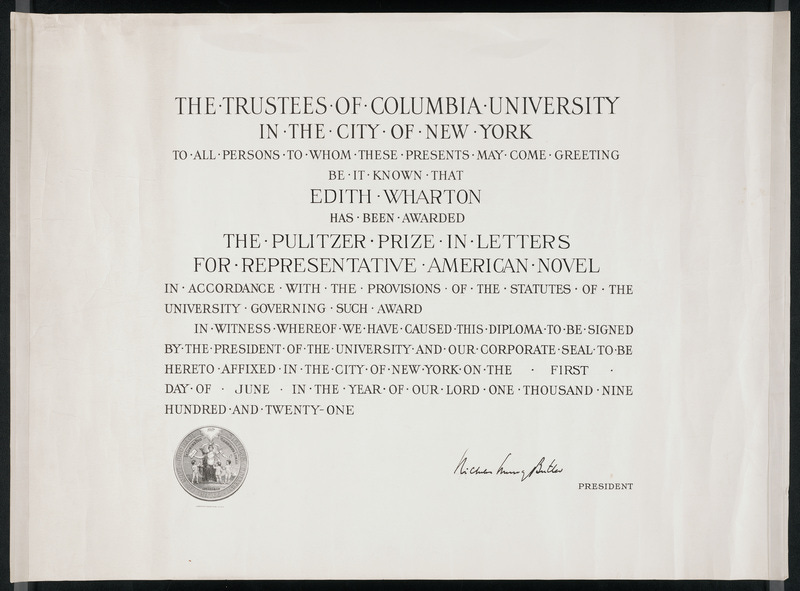
In The House of Mirth (1905), she examined the precarious position of women whose social value depended upon marriage and wealth. In The Age of Innocence (1920), for which she later became the first ever woman to win the Pulitzer Prize for Fiction, she offered a nuanced portrait of duty, desire, and societal constraint in 1870s New York. Writing gave Wharton something that society had not: financial independence, intellectual authority, and perhaps most importantly, a voice. She was no longer a mere cog in the system; she was its documentarian.
Over time, Wharton’s connection to America began to shift. She spent increasing amounts of time in Europe and eventually settled in France, where she lived for much of her later life. From abroad, she could reflect more clearly on the society that had shaped her. Perhaps it gave her a fresh perspective on its rituals, hierarchies, and limitations, transforming them from simple lived experiences into subjects of careful observation and critique.
Enter: The Buccaneers
It is within this context that The Buccaneers takes on particular significance.
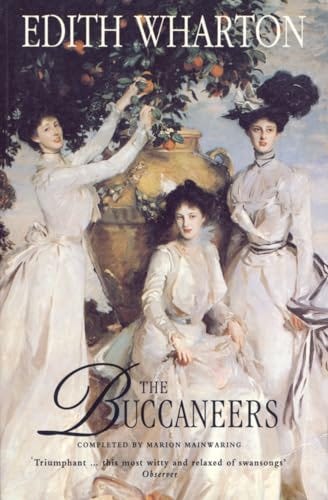
Written later in her life and left unfinished at her death in 1937, the novel follows a group of wealthy American girls, dismissed as nouveau riche by “Old New York”, who embark on a London social season in search of acceptance and instead find themselves navigating marriage within the British aristocracy. It is a story shaped by transatlantic ambition, cultural misunderstanding, and the emotional cost of social aspiration.
Though fictional, the world it depicts is deeply rooted in reality. During the late nineteenth century, many American heiresses did indeed marry into British noble families, bringing with them dowries fat enough to sustain often financially strained historic estates. Despite this, heiresses were often met with closed ranks, cold shoulders, and a longing for the homes they had left behind.
Wharton understood this world intimately, and she had a lot to say. So she used her greatest skill to her advantage: storytelling. Thus, one of America’s greatest classics was born.

The Woman Behind the Words
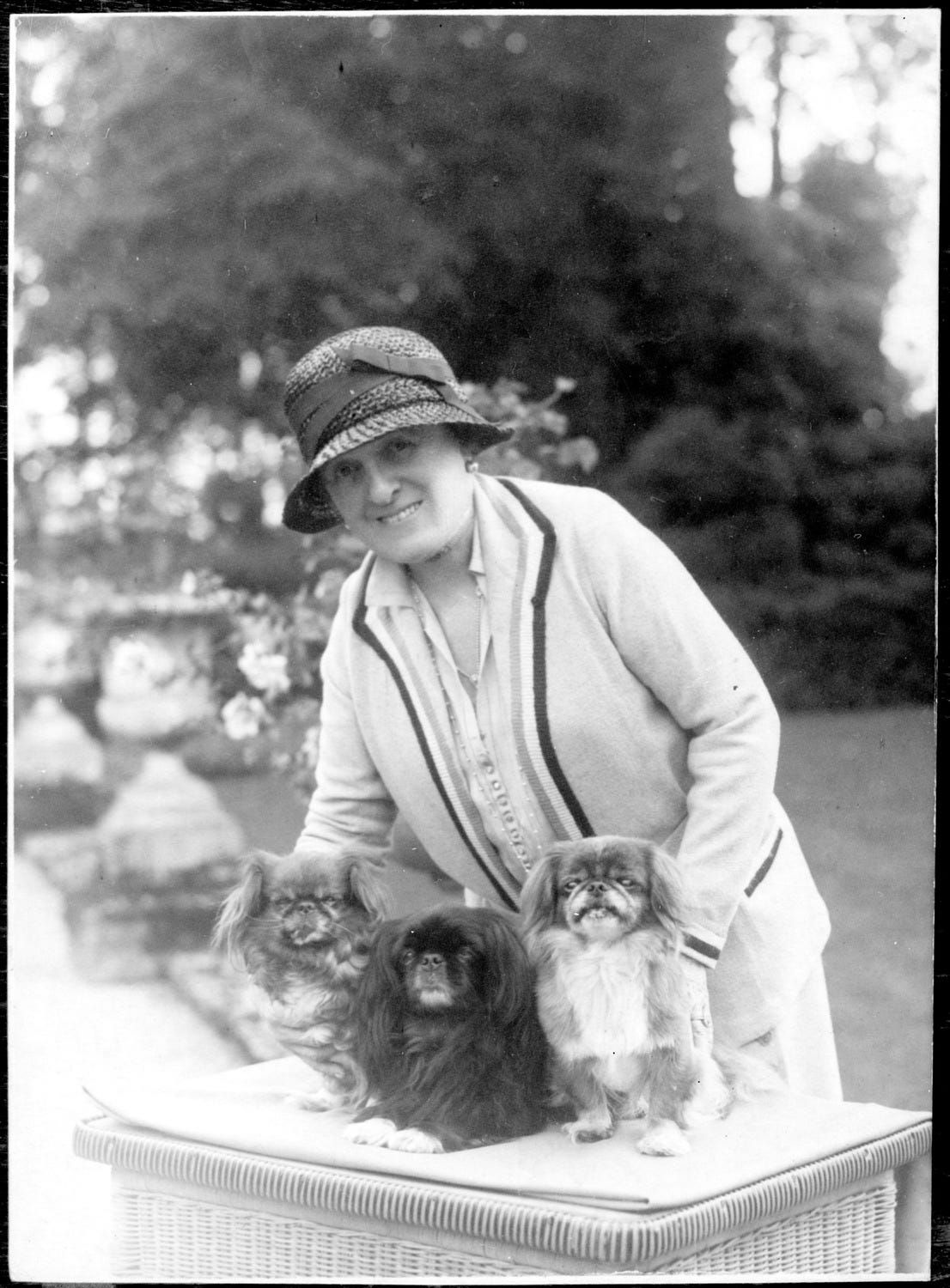
What makes Edith Wharton such a compelling figure is not simply that she wrote about the Gilded Age, but that she lived within it, questioned it, and ultimately chose to step beyond it. She was, at once, an insider, an observer, and a critic, and it is this perspective that gives her work its enduring clarity.
As we move through Buccaneers-inspired content this month, exploring the lives of debutantes, governesses, and heiresses who crossed the Atlantic in search of status and security, it is worth remembering that Wharton’s tale, though fiction, charts a very real world in remarkable detail, guided by her own lived experience.
She saw its delights and its charms. She understood its rules. And, perhaps most importantly, she recognised its cost.
As someone who has read all of Edith's works and her auto and biographies, I can say that this is an accurate and excellent commentary on a terrific author by a terrific author.
I haven't read The Buccaneers, but I loved the 1995 miniseries starring Mira Sorvino, James Frain, and Carla Gugino.